I’ve many fond memories of my early career in the corporate world but it also provided a dose of realism regarding unchecked capatalism that led to my ethos in later life. I was indeed given fantasic opportunities to travel and to meet talented colleagues in diverse parts of the world and I’m greatful for those chapters.
In this article, I walk through some of my career and what was happening on the global stage at the time. This story, I believe, shaped who I am and what I stand for now, as a software engineer and developer, with a hope that technology can be used to impact lives in positive ways.
“One of my bosses once called me a Cororate Backpacker, I’ve always taken it as a compliment but I’m not sure if it was meant as one at the time”
ABN Amro, London and Amsterdam
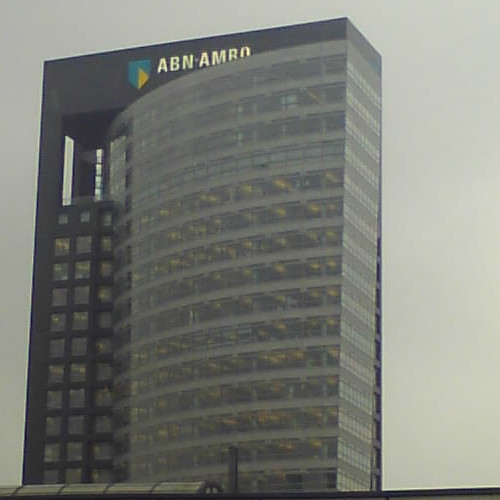
I worked at ABN AMRO from 2003 to 2007 and I wrote software that helped the bank produce Management Information / Analytics at all levels. It was a period defined by the abundant liquidity and supreme confidence of the pre-crisis era. I took the photo below of the ABN Amsterdam office in Amsterdam South just before I left in 2007. By that time, the first cracks were already forming in the machinery of modern finance, though the prevailing optimism had not yet broken. It is a striking irony that a bank which had thrived so thoroughly during the credit boom became part of a transaction that amplified exposure just as the cycle turned: the massive consortium takeover where Fortis, RBS, and Santander each took pieces of ABN AMRO, a deal that would soon be remembered as one of the most ill-timed in banking history.
HSBC, Hong Kong
I joined HSBC in Hong Kong writing software to help measure capital adequacy and report this to the Hong Kong Monetary Authority (HKMA), at a time when the city was riding a powerful wave of growth and reintegration with mainland China. The post-SARS rebound had given way to renewed confidence, capital was flowing freely, and Hong Kong’s role as a gateway to China was becoming more entrenched by the year. Beneath that momentum, though, regulators were steadily sharpening their focus, aligning with Basel frameworks and paying closer attention to the resilience of banks in an increasingly interconnected system — a quiet acknowledgement that the calm conditions of the mid-2000s might not last forever.
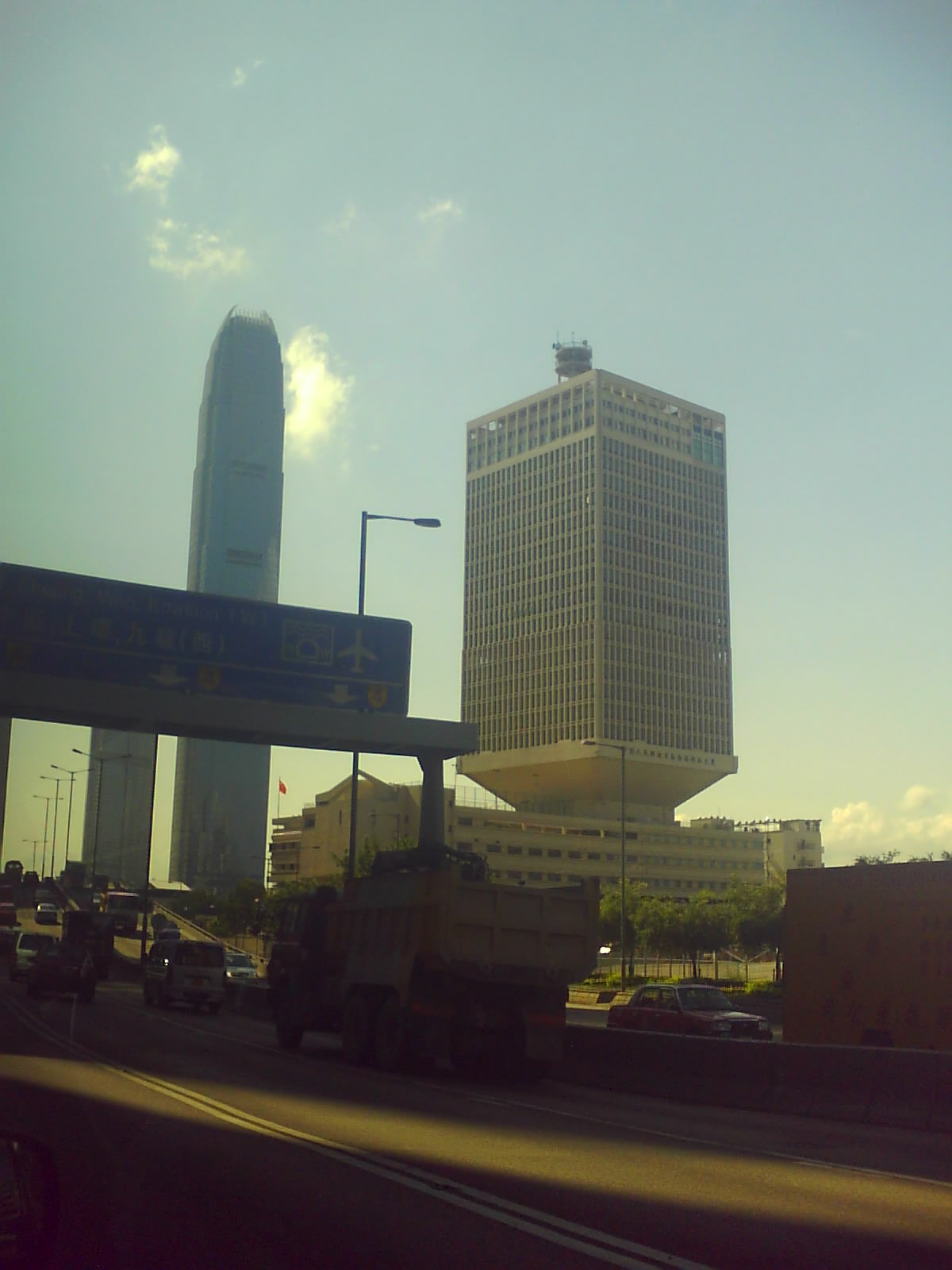
The skyline looked very different in 2007, far less cramped than it is today. Although from this photo you can see the International Finance Centre (IFC2), which stood as the undisputed tallest building in the city at that time. It wouldn’t be eclipsed until 2010, when the International Commerce Centre (ICC) was completed across the water in West Kowloon. Standing at 484 metres, the ICC finally shifted the skyline’s center of gravity, but in 2007, the view was still dominated by the sheer verticality of the IFC2—a perfect glass-and-steel symbol of the pre-crisis peak.
Aon Asia, Hong Kong
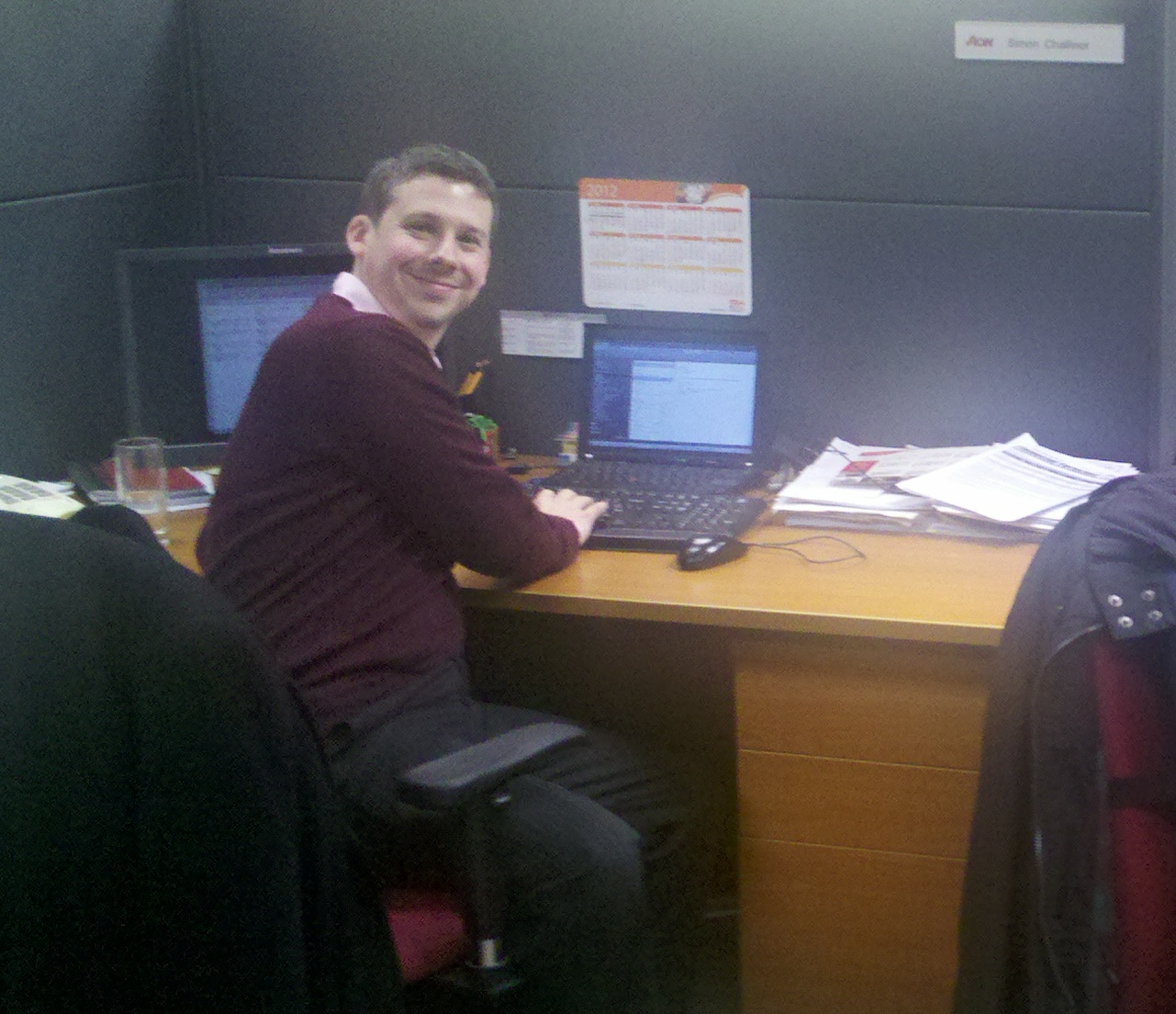
The Global Financial Crisis had reshaped the entire financial services landscape by the time I joined Aon in 2010. Insurance — long seen as the quieter, more conservative cousin of banking — had been thrust into the spotlight. AIG’s near-collapse had made clear that the industry was far more entangled with systemic risk than anyone had comfortably admitted. It was against this backdrop that I arrived at Aon, then the world’s largest insurance brokerage, tasked once again with improving reporting and analytics. The brief was familiar: make sense of the data, build the tools, surface the insights. I set to work writing the software.
.jpg "Simon, with Aon Asia in Hong Kong 2012")
Aon Global Risk Insights, Asia Pacific, Syndney Australia
In 2013, Aon gave me the opportunity to work with their Australian Global Risk Insights team in Sydney. It felt like a pivot in every sense: a new city, a different rhythm, and a front-row seat to how “risk” looks when you zoom out beyond one balance sheet or one market. I built databases and delivered a heavy lift of reporting and analytics for Aon’s strategic insurance partners at the time—turning messy, fragmented information into something you could actually use in conversations about exposure, resilience, and where the next shock might come from. And 2013 had no shortage of reminders, from major floods and severe storms to the growing realisation that business interruption and supply chains were becoming board-level risks, not operational footnotes.
Aon Inpoint, Asia Pacific, Hong Kong, Syndney and Singapore
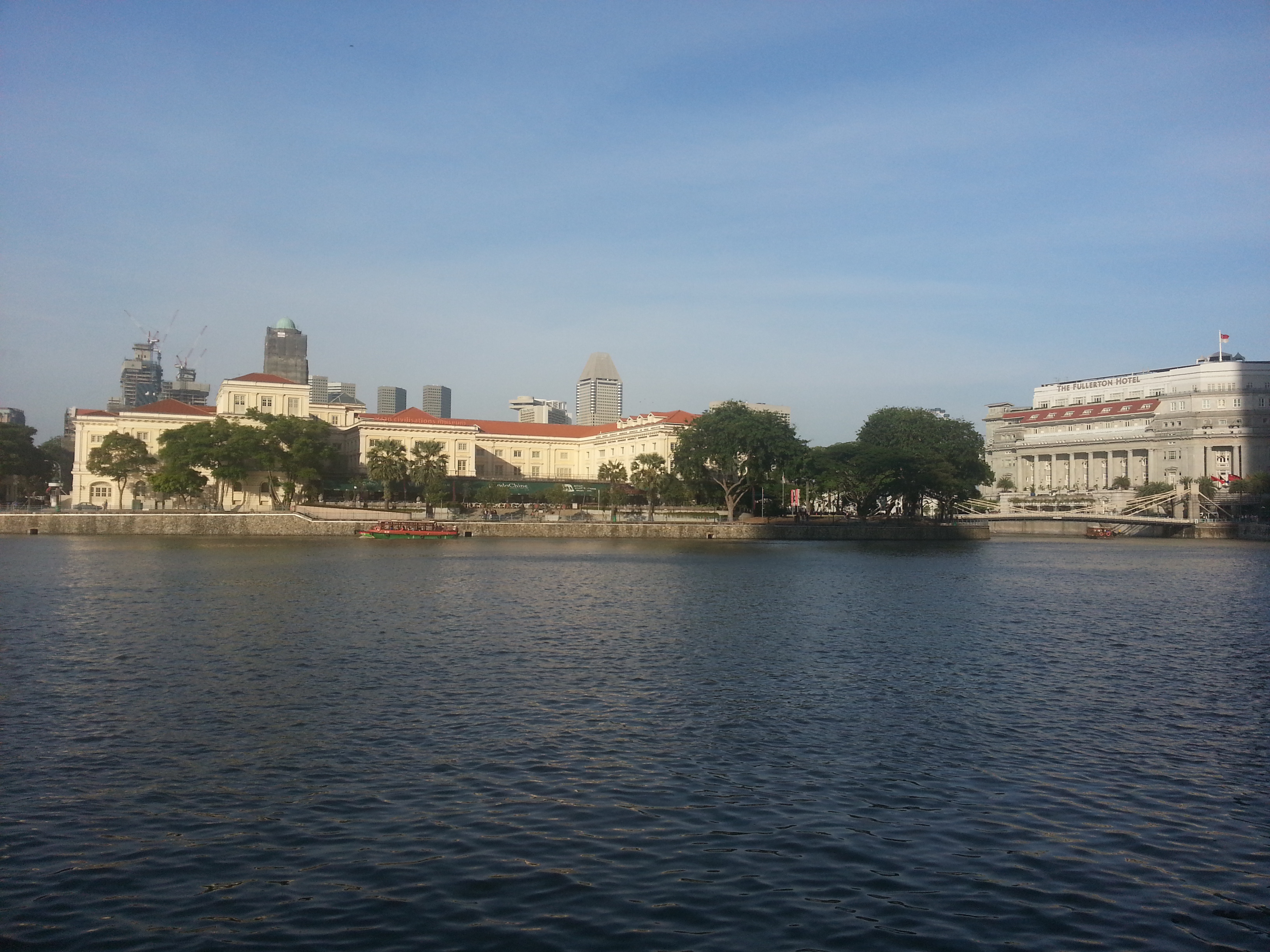
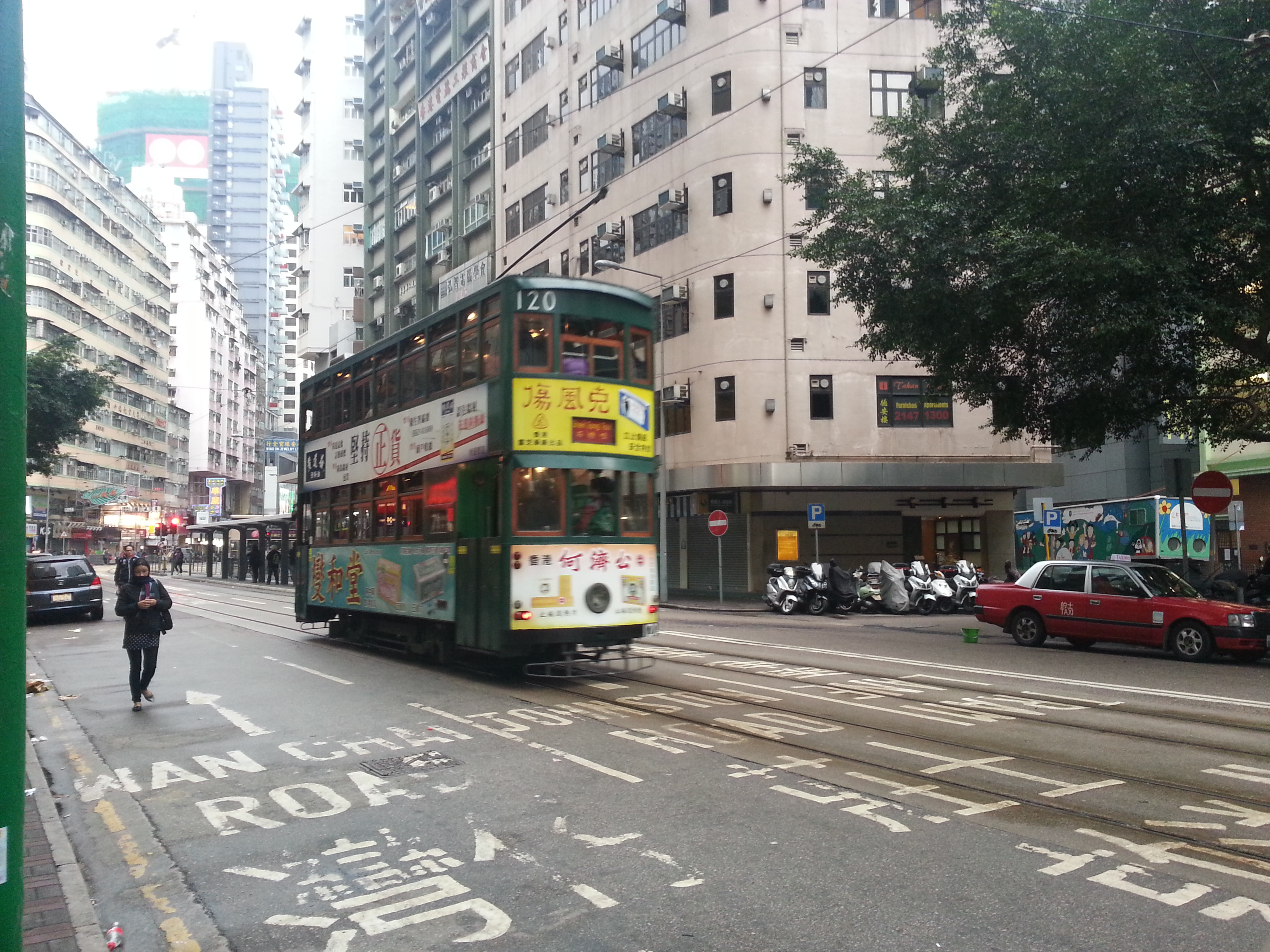
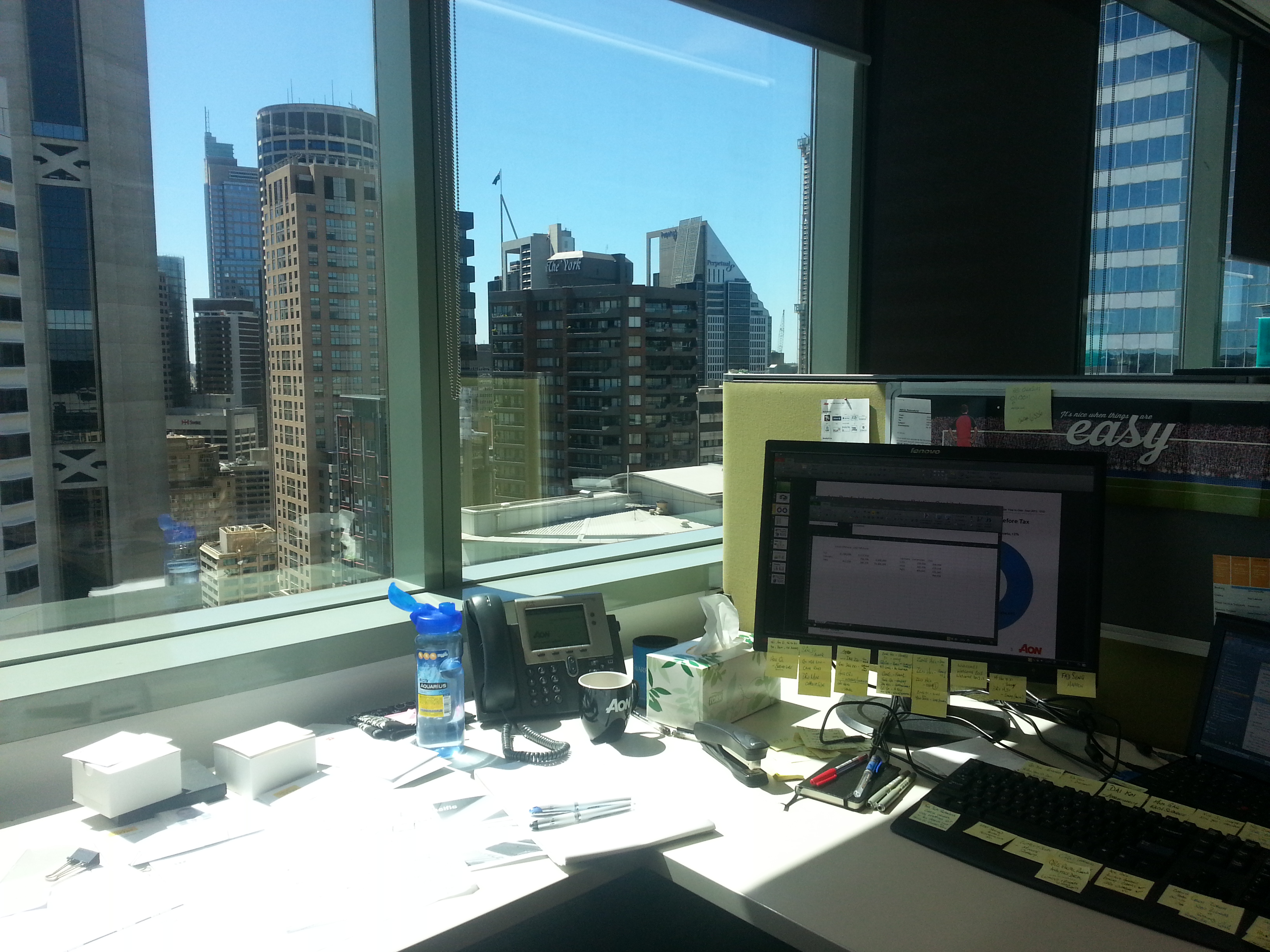
I had missed Hong Kong while I was in Australia—the density, the pace, the sense that everything important seemed to pass through the city at some point. In 2014, Aon gave me the chance to return in a consultancy role within Aon Inpoint, based back in Hong Kong but travelling frequently to Sydney and Singapore. It was a period of quiet geographic shift in the insurance world, with more activity and decision-making gradually moving toward Singapore, drawn by its regulatory clarity and growing status as a regional hub. My work followed that flow: airports, hotel lobbies, and client offices becoming a kind of extended workplace, the same conversations about risk and analytics playing out across different cities and contexts. There were moments of contrast too—flying in from Hong Kong’s vertical intensity to Singapore’s more ordered calm, and staying in places like the Fullerton, where the pace slowed just enough to take stock before the next meeting or the next flight.